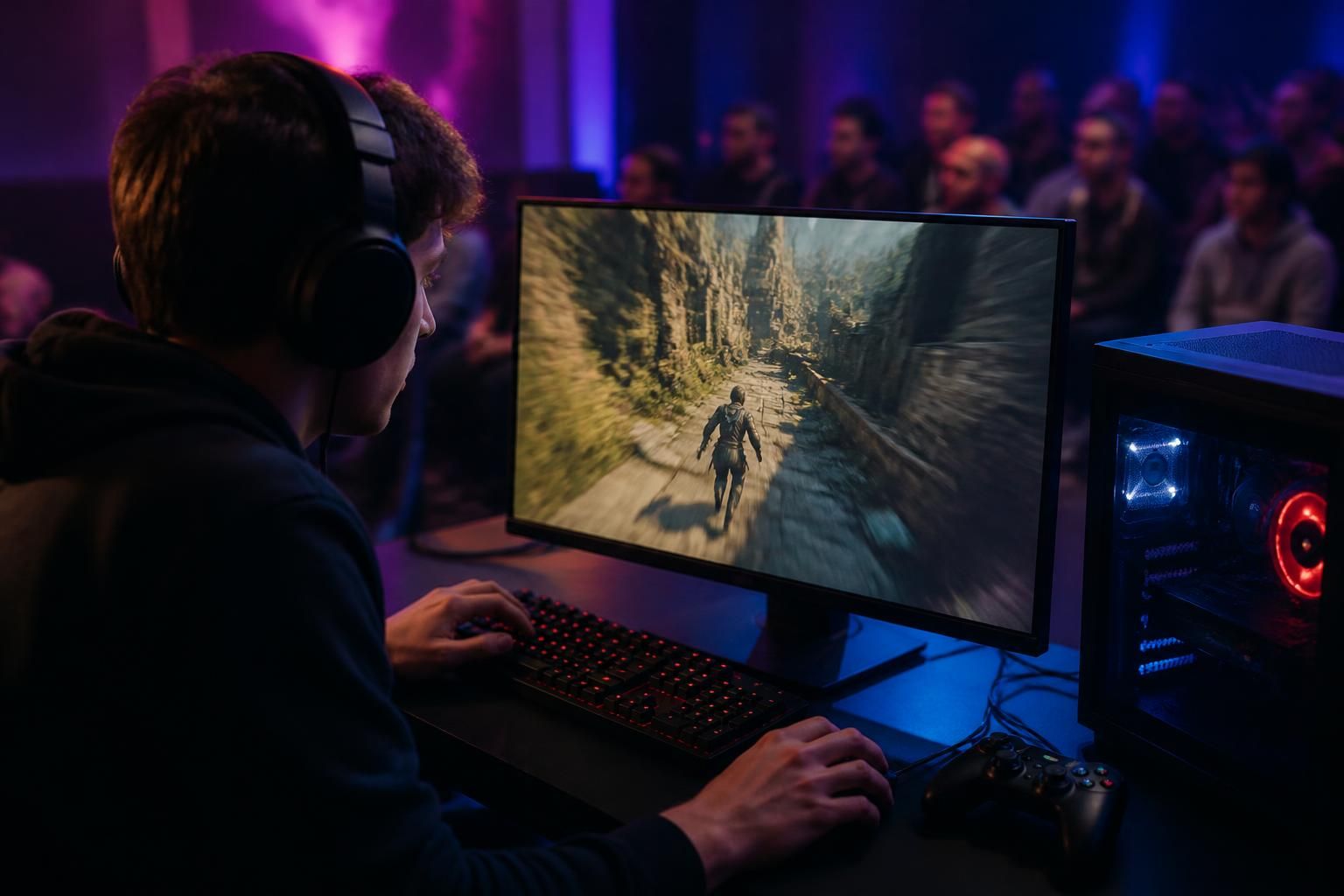
Internet speed and online game performance are intricately linked, playing a pivotal role in how smoothly and effectively players engage in gaming environments. Whether you’re a casual gamer or an esports enthusiast, understanding this relationship can significantly enhance your gaming experience. With the dependency on real-time interactions, low latency, and consistent bandwidth, knowing how to optimize your internet connection is essential for success.
How Internet Speed Affects Online Gaming
Internet speed is primarily measured in megabits per second (Mbps), and it directly impacts how quickly data can be transmitted between your gaming device and the game server. A higher speed typically allows for faster downloads, smoother gameplay, and quicker updates. However, it’s important to note that while download speed gets most of the attention, upload speed plays an equally critical role, especially for players engaged in live streaming or competitive gaming.
Many online games require real-time communication between players and servers. A delay, often referred to as latency or ping, can cause significant performance issues, leading to lag. Players may experience delayed reactions to their commands or see opponents moving erratically on screen. Ideally, latency should be below 50 milliseconds for an optimal experience, with anything above 100 milliseconds considered poor for competitive play.
Understanding Bandwidth and Its Importance
Bandwidth is the maximum rate of data transfer across a network and is a crucial element of internet speed. For online gaming, adequate bandwidth is necessary to handle the data packets sent and received during gameplay. Most modern online games require a stable connection with at least 3-6 Mbps for a smooth experience, but this can vary based on the game type and the number of players involved.
When multiple devices in a household are using the internet simultaneously, such as streaming videos, downloading files, or browsing social media, it can lead to bandwidth congestion. This can severely impact online game performance, causing lags and interruptions. To alleviate this, gamers should consider prioritizing their gaming traffic through router settings or using a wired connection to avoid wireless interference.
Choosing the Right Internet Connection for Gaming
When selecting an internet service provider (ISP), it’s essential to consider the type of connection available. Fiber-optic connections typically offer the best performance for online gaming due to their high speeds and low latency, while cable and DSL connections may provide sufficient speeds but can also experience greater fluctuations in performance.
Gamers should also look at the service level agreements (SLAs) provided by ISPs. Some providers offer specific gaming plans that promise lower latency and optimized routes for gaming traffic. Additionally, utilizing tools and services that monitor latency and performance, like bro138, can assist in evaluating and choosing the best options for gaming needs.
Optimizing Your Network for Better Gaming Performance
There are several strategies gamers can deploy to enhance their online experience. First, utilizing a wired Ethernet connection can offer more stability than Wi-Fi, reducing latency and packet loss. If Wi-Fi is necessary, consider positioning the router centrally in the home or investing in a mesh network to extend coverage.
Another useful tip is to keep the router firmware updated and to use Quality of Service (QoS) settings to prioritize gaming traffic. Many modern routers come equipped with this feature, allowing users to allocate more bandwidth to gaming applications while limiting the bandwidth for other less critical uses. Additionally, reducing the number of devices connected during gameplay can make a significant difference in performance.
Impact of Game Type on Internet Speed Requirements
Not all games are created equal when it comes to internet speed and performance demands. For instance, first-person shooters (FPS) and multiplayer online battle arena (MOBA) games typically require low latency and high responsiveness, making strong internet speed crucial. In contrast, turn-based strategy games might be less sensitive to connection speed and latency, allowing for a more forgiving experience.
Furthermore, games with heavy graphical content may require more bandwidth for updates and patches, meaning that players should be aware of their internet speed in relation to the specific titles they play. Keeping an eye on game requirements and community feedback can help players anticipate necessary speeds for their preferred experiences.
Conclusion: Finding the Sweet Spot for Optimal Gaming Experience
In conclusion, understanding internet speed and online game performance is essential for any gamer looking to improve their gameplay experience. By knowing how speed, bandwidth, connection types, and even the specific games being played affect performance, gamers can take proactive steps to ensure they have a smooth and enjoyable experience. Ultimately, optimizing your internet setup is not just about speed; it’s about creating a reliable environment that enhances gameplay, connectivity, and overall enjoyment.