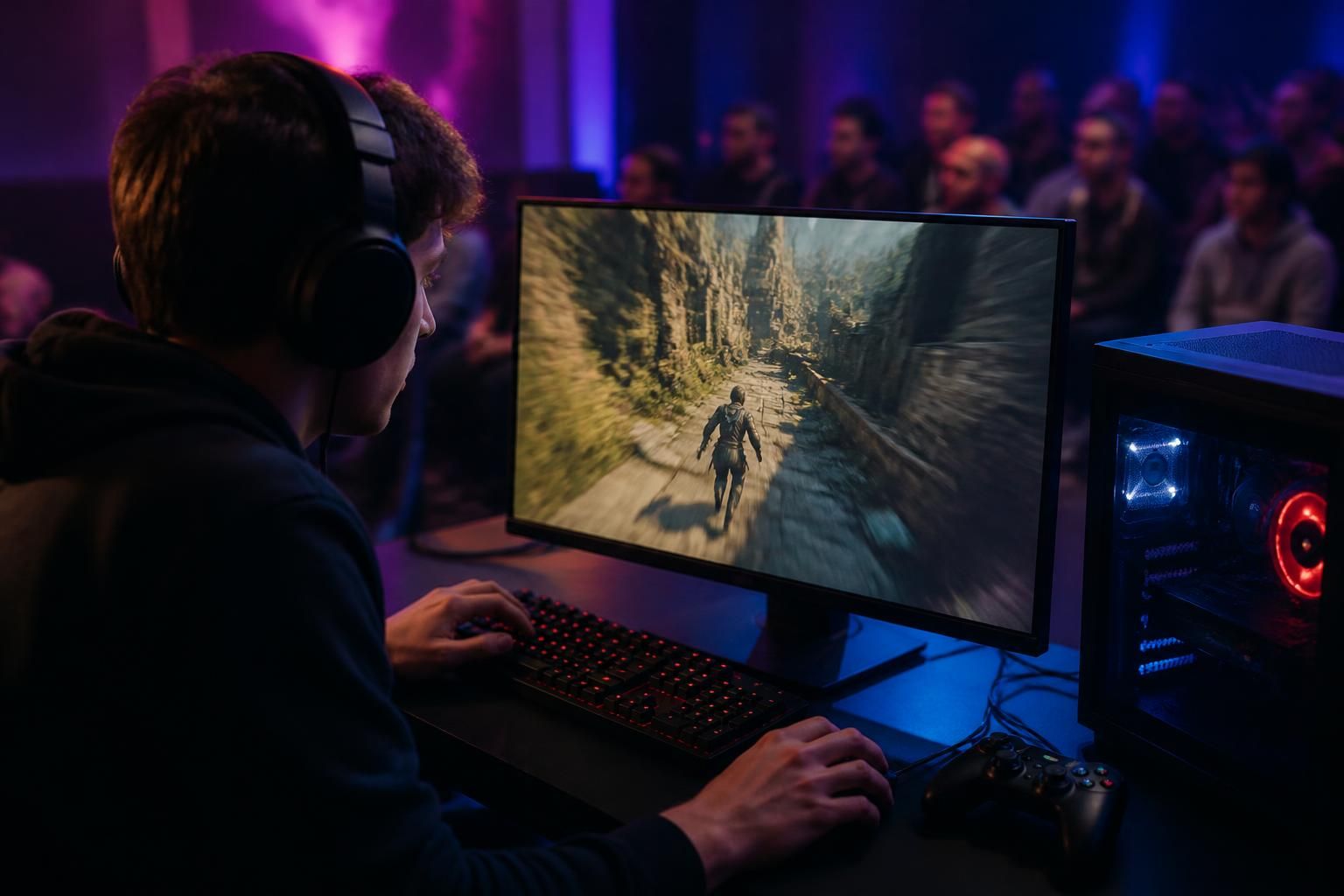
Esports as a career has emerged as a legitimate and lucrative path for many enthusiasts who are passionate about competitive gaming. In recent years, the growth of the esports industry has been meteoric, transforming what was once a niche hobby into a global phenomenon. With millions of viewers and substantial investment influxes, the career opportunities in this realm are now more diverse than ever, ranging from professional players to content creators and analysts. This article explores the various facets of pursuing a career in esports, the necessary skills, and how aspiring individuals can navigate this burgeoning field.
Understanding the Landscape of Esports Careers
The esports ecosystem is vast, incorporating various roles that cater to different skill sets and interests. The most visible career path is that of a professional player. These individuals compete at the highest level in various games, often representing teams in tournaments and leagues. Notable titles include League of Legends, Dota 2, and Counter-Strike: Global Offensive. Professional players often undergo rigorous training schedules, dedicating hours to practice and strategizing to maintain their competitive edge.
However, the esports industry is not limited to players alone. Opportunities abound in areas such as coaching, team management, broadcasting, and marketing. Coaches analyze gameplay to help players improve while team managers handle logistics and sponsorship deals. Broadcasters play a crucial role in bringing esports to life through commentary, analysis, and live streaming, engaging audiences worldwide. Furthermore, marketers and community managers work behind the scenes to build brands and foster community engagement.
The Skills Required for a Successful Esports Career
Pursuing a career in esports requires a unique blend of skills that extend beyond gaming proficiency. For professional players, exceptional hand-eye coordination, strategic thinking, and adaptability are vital. Players must stay updated with game patches and meta shifts, often requiring them to adjust their playstyles accordingly. Furthermore, mental resilience is crucial as players face immense pressure during competitions, necessitating a strong psychological fortitude.
For those interested in roles outside of direct gameplay, such as coaching or broadcasting, different skill sets come into play. Coaches need strong leadership abilities, an understanding of player psychology, and effective communication skills to convey strategies. Broadcasters, on the other hand, must develop a captivating on-screen presence, with the ability to articulate game dynamics and engage viewers. In addition, proficiency in technology and familiarity with various streaming platforms are increasingly important for all roles in esports.
Paths to Entering the Esports Industry
Entering the esports industry can be achieved through various pathways, each offering unique experiences and opportunities. For aspiring professional players, competing in local tournaments or joining amateur leagues can provide valuable exposure. Many players also leverage streaming platforms like Twitch or YouTube to build a following, showcasing their skills and personality, which can attract attention from professional teams.
For those pursuing non-player roles, education and experience are key. Many universities now offer degree programs focused on esports management, marketing, and broadcasting. Internships with esports organizations can provide hands-on experience and networking opportunities, crucial in a field where connections often lead to job offers. Additionally, engaging with the community through social media and attending industry events can open doors and foster relationships with established professionals.
The Financial Landscape of Esports Careers
When considering esports as a career, understanding the financial aspects is essential. While top-tier professional players can earn substantial salaries through team contracts and sponsorships, entry-level positions may offer modest compensation. Coaches and analysts typically earn more than amateur players but may not reach the salaries of established stars. The broadcasting sector, especially for popular games, can also be lucrative, with seasoned commentators commanding impressive fees for their expertise.
In addition, brands are increasingly investing in esports, seeing significant potential in advertising and sponsorship opportunities. This growth has led to more stable financial prospects across various roles within the industry. For example, roles related to marketing, event organization, and team management are witnessing a surge in demand, providing a solid career path for those looking to enter the field.
Challenges and Considerations in an Esports Career
While the prospects of a career in esports are enticing, several challenges must be considered. The competition is fierce, with many aspiring players vying for limited spots in professional teams. Additionally, the industry’s fast-paced nature means that job security can be uncertain, necessitating a proactive approach to career development. Individuals may need to pivot between roles or adapt to changing market dynamics to remain relevant.
Another consideration is the potential impact on health and well-being. The demanding schedules can lead to burnout, and players must be vigilant about maintaining a work-life balance. Moreover, the sedentary nature of gaming can contribute to physical health issues if not addressed. As such, cultivating a healthy lifestyle, including proper nutrition and exercise, is essential for long-term success.
Conclusion: Embracing the Future of Esports Careers
Esports as a career presents a wealth of opportunities for those passionate about gaming and looking to turn their interests into a profession. With diverse roles available and the industry continuing to expand, the potential for growth and innovation is significant. Whether aspiring to be a professional player, a coach, or a content creator, developing the right skills and seizing opportunities is key to thriving in this dynamic field. As the esports landscape continues to evolve, those committed to their craft will find a place in this exciting and rapidly changing environment.
In exploring this fascinating domain, individuals should remain adaptable, continually honing their skills while embracing the community around them. As the industry matures, resources such as luxury777 highlight the increasing significance of digital platforms in shaping the future of esports. By staying informed and engaged, aspiring professionals can carve out their unique paths in the thriving world of esports.